Hong Kong's three most common fatal cancers
Know yourself and know your enemy. Before discussing cancer prevention, let's look at the top 3 most common cancers in Hong Kong. This will help us identify related risks in a timely manner and detect any physical discomfort early.
Lung cancer and lung cancer symptoms
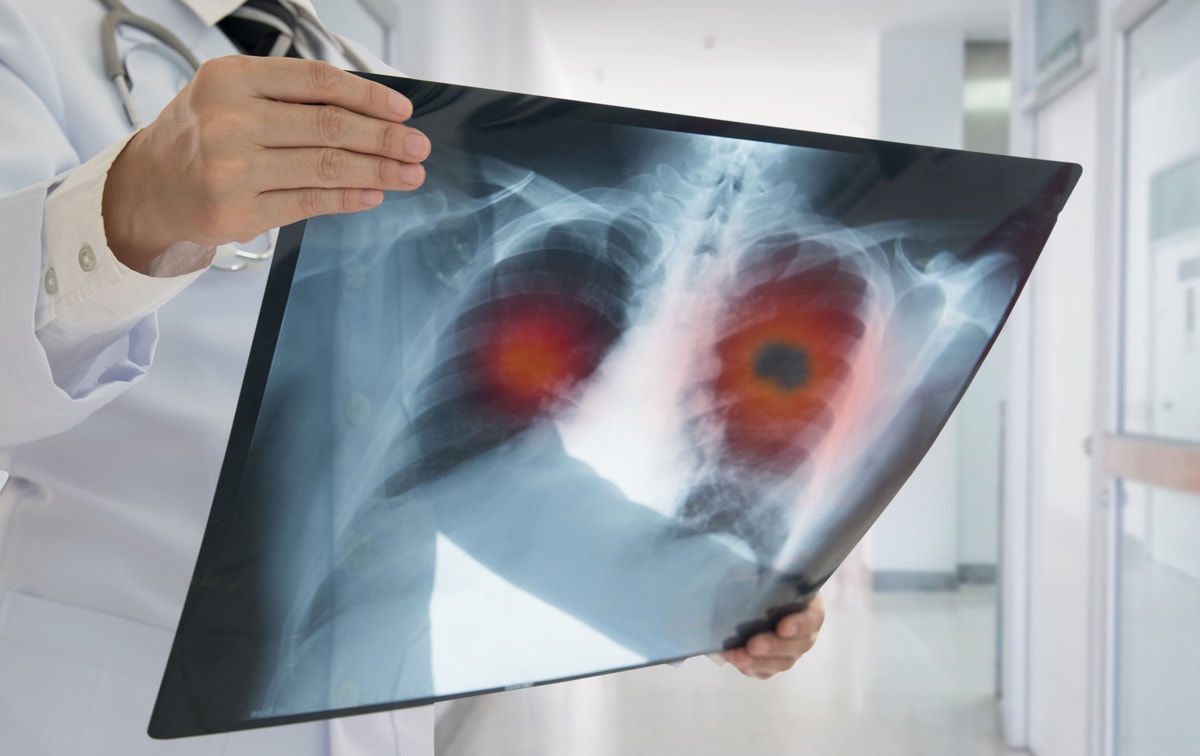
Lung cancer is the most common form of cancer in Hong Kong; in 2021, 15.5% of all cancer patients in Hong Kong were diagnosed with lung cancer.Lung cancer is also the deadliest form of cancer. According to the data, lung cancer was the leading cause of cancer-related deaths in 2021, accounting for 26.7% of all such deaths.
So who is prone to developing lung cancer?
- Smokers: Approximately nine out of ten lung cancer patients are linked to smoking. It is important to note that a longer smoking history, such as starting at a young age, increases the chance of developing lung cancer.
- Elders aged fifty and over.
If you are one of the above individuals and have the following lung cancer symptoms, please be aware:
- The body often feels persistently tired and cannot be relieved by rest.
- Appetite significantly decreased, with weight loss.
- Persistent cough.
- Asthma attack.
- Phlegm with blood.
- Chest pain, for example a dull ache or a sudden sharp pain in the chest when coughing or taking a deep breath.
- If cancer has spread, patients may experience swollen lymph nodes in the neck, swelling of the neck, face and arms, abdominal distension, bone pain, headaches, localised fits, or paralysis.

Bowel cancer and bowel cancer symptoms
Colorectal cancer has been consistently ranked among the top cancers for the past decade. In Hong Kong, since the implementation of colorectal cancer screening in 2016, it has successfully facilitated early detection and treatment of polyps. Currently, fatal cases of colorectal cancer have fallen to the2... but in 2021, 15.21 TP3T cancer patients died of colorectal cancer.
So, who is prone to bowel cancer?
- Previous history of colonic polyps.
- Long-term inflammation of the colon, such as ulcerative colitis.
- There are hereditary bowel diseases, such as "Lynch syndrome" or "Familial Adenomatous Polyposis".
- Family history of bowel cancer, especially in first-degree relatives (parents, siblings, or children).
In the early stages, bowel cancer may have no symptoms at all. If you fall into the above categories and experience any of the following common symptoms of bowel cancer, you should be particularly aware:
- Unexplained weight loss.
- Discomfort in the lower abdomen (abdominal bloating or intestinal colic).
- Sudden change in bowel habits (persistent constipation or diarrhoea), change in stool shape (pencil-thin stools), and feeling of incomplete bowel emptying.
- Bowel motions with blood, or black, or containing mucus, or rectal bleeding.
- Symptoms of anaemia include: cold hands and feet, fatigue, rapid heartbeat, shortness of breath, pale complexion, dizziness.
Cancer prevention: Regular health checks are most effective
Advances in medical technology today mean that many cancers are no longer incurable. Therefore, regular health checks are crucial for high-risk groups, as prevention is better than cure, and early detection of any potential health problems can reduce the difficulty of cancer treatment.
According to the data, if discovered early, the survival rate for lung cancer is relatively high; data shows that for most cancers, if detected early, their5The survival rate in the initial year is much higher than in later years.
Five-year relative survival rate (%)* | Lung cancer |
First installment | 72.4% |
Second phase | 45.4% |
Third quarter | 24.6% |
Fourth quarter | 7.8% |
*Data source: Hong Kong Cancer Statistics 2021, Hong Kong Cancer Registry

那麼There are many tests available, which ones?麼Screening is suitable for cancer prevention, particularly for the prevention of lung, colorectal, and liver cancer.大「Assassin」?
Blood test/cancer marker analysis
When suffering from malignant tumours, protein concentration indicators in our blood or urine tend to show an unusual increase. At this point, a blood test can be performed.Cancer marker analysisA general analysis is being done, but an exact cancer diagnosis will still require other tests.
Lung cancer prevention and regular medical check-ups
Smoking is the most significant risk factor for lung cancer, so it is recommended to avoid starting or continuing the habit of smoking or being exposed to second-hand smoke.
Heavy smokers require regular check-ups, which may include chest X-rays, sputum cytology, or low-dose CT scans, as recommended by their doctor.Computed tomography (CT).
Heavy smokers are generally advised to start lung cancer screening between the ages of 50 and 55, typically annually or every 2 years, up to the age of 74 to 80.
Heavy smokers, defined as those who have smoked more than 20 to 30 pack-years (the number of packs smoked per day multiplied by the number of years of smoking) and are still smoking or have quit within the last 10 to 15 years.
The prevention and regular screening of bowel cancer
Besides genetics and a family history, bowel cancer is linked to unhealthy lifestyle habits, such as insufficient dietary fibre, habitually consuming large amounts of red and processed meats, lack of physical activity, obesity, alcohol consumption, and smoking.
From August 2018, the Hong Kong Government has regularised the colorectal cancer screening programme, and through3In this phase, extensive funded screening was carried out on asymptomatic residents. From 1 January 2020, the funded scope included residents aged 50 to 75.
If you consider yourself to be in a high-risk group as mentioned above, but are not within the scope of the bowel cancer screening programme, you can still book a private clinic for a fee.Bowel cancer risk test.