Earlier, a four-year-old child in Hong Kong was suspected of being infected with severe influenza A (commonly known as Hong Kong flu) and was diagnosed with influenza A complicated by encephalopathy after clinical examination. This news has once again raised public concern about the dangers of influenza A for children. In this article, we will explore the topic of influenza A from multiple perspectives to help remind parents and caregivers to pay attention to protecting the health of children.
Types of Influenza A
Influenza A is a type of seasonal influenza (flu), an acute respiratory illness caused by influenza viruses. Influenza A viruses are classified according to the two antigen types on the surface of the virus, haemagglutinin (H) and neuraminidase (N), and are further subdivided into different subtypes.
The two subtypes of seasonal influenza A virus currently circulating in humans are
- Influenza A (H1N1)pdm09
- Type A (H3N2)
The difference between influenza A and influenza B
The other two types of seasonal influenza viruses known to infect humans are type B and type C. In Hong Kong, type A and type B seasonal influenza viruses are more common. The symptoms of influenza A and B are very similar, making it difficult to distinguish between the two types based on symptoms alone, and it is recommended to consult a doctor.
Influenza symptoms
What are the symptoms of Type A flu? Are there differences in the symptoms of Type A flu infection between adults and children?
Symptoms of Type A flu can include:
- Fever
- Cough
- Sore throat
- A runny nose
- Muscle pain
- Tired
- Headache
- Vomiting and diarrhoea may also occur
Healthy individuals will see fevers and other symptoms subside on their own within two to seven days of infection, although a cough may persist for a longer period. For children and the elderly, symptoms of influenza A are the same as for adults, but may be more severe.
Treatment for influenza A
If you unfortunately contract influenza A, you should first stop your outdoor activities, including going to work or school. At the same time, ensure you get plenty of rest and drink plenty of water.
It should be noted that antibiotics are drugs used to treat bacterial infections, not viral infections. Therefore, after a seasonal flu such as influenza A, antivirals can be used to alleviate symptoms and shorten the duration of illness, but antivirals require a doctor's prescription. If symptoms persist, do not heal, or worsen, patients should seek medical attention immediately.
Childhood influenza A risk
For young children, individuals with weakened immune systems, or the elderly, contracting influenza A can be a serious illness. This is because children's bodies are not yet fully developed compared to adults, making them more vulnerable to viruses. Consequently, after contracting influenza A, they are prone to developing complications such as pneumonia, encephalopathy, shock, respiratory failure, and bronchitis.
If children are infected with different pathogens simultaneously, it will only make matters worse. For example, if a child has both influenza A and COVID-19, there is a greater chance of developing serious complications. Therefore, do not ignore any symptoms. If symptoms appear, immediately stop all of the child's classes and seek medical attention from a doctor.
Influenza A incubation period and transmission routes
Seasonal influenza, such as influenza A, is more prevalent in Hong Kong between January and March/April, and in July and August. The transmission routes of influenza viruses mainly include droplet transmission when patients cough, sneeze or speak, and also transmission through direct contact with patients' secretions.
The incubation period for influenza A is generally 1 to 4 days. Infected individuals can transmit the virus to others approximately 1 day before symptoms appear and for 5 to 7 days after. It should be noted that young children or individuals with severely compromised immune systems may have a longer infectious period, therefore extra care should be taken when looking after patients.
Influenza A prevention measures
Getting the seasonal flu vaccine is the best way to prevent influenza. The flu vaccine is effective in reducing the risk of infection and complications. It takes two weeks for the flu vaccine to become effective in the body after vaccination. It is recommended to get vaccinated every autumn to ensure sufficient antibodies are present to fight the flu during its peak season.
Everyone aged six months and over, except for those with pre-existing medical conditions, should get the flu jab to protect themselves and others.
Further precautions include:
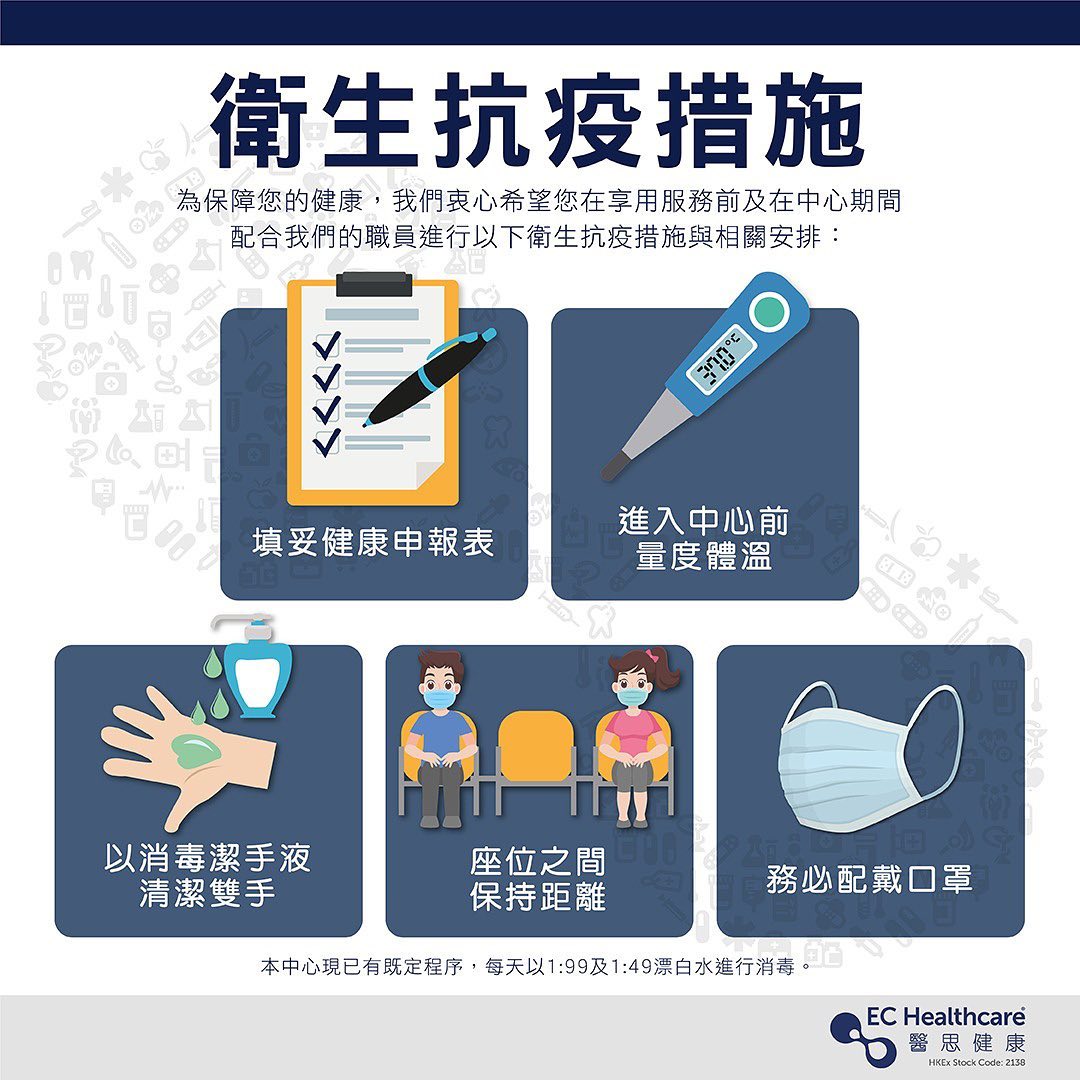
- Maintain good personal hygiene, such as washing your hands frequently and covering your mouth and nose when coughing or sneezing.
- Avoid going to crowded places.
- Keep indoor air circulating.
- When sneezing or coughing, cover your mouth and nose with a tissue.
- Maintain a balanced diet, exercise regularly, and get enough rest.
How to prevent children from contracting influenza A
When it comes to preventing children from contracting influenza A, parents or guardians should take note of the following:
- Get your flu jab on time.
- Teach children to develop good personal hygiene habits.
- Keep a close eye on the child's health.
- If your child develops symptoms of influenza A, seek medical attention as soon as possible.
During this season, it is crucial to protect adults and children from influenza A. Influenza A shares many similarities with the common cold in terms of symptoms, making it easy for parents or caregivers to confuse or underestimate, thereby missing the best opportunity for treatment. Parents who familiarise themselves with relevant information in advance and take preventative measures, such as getting their children vaccinated early, can better protect them and effectively reduce the chance of children contracting influenza A.